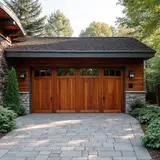
The complete Allentown garage-door project checklist — work down it before you buy, before the crew arrives, and after the install. 92 checks in all.
Before you start
Working out what you actually need before you call anyone saves weeks of comparing quotes that are not describing the same job.
- Write down why the door needs attention, whether it is a broken spring, a noisy opener, a dented panel, or simply a worn out look.
- Decide whether you want a repair visit, a full door replacement, or an opener upgrade before you begin collecting quotes.
- Note how the garage is actually used, including parking, storage, workshop space and any vehicle that needs plenty of clearance.
- Walk the driveway and the inside of the garage at night to see how well the existing lighting works where the door travels.
- Photograph the door from the street and from inside, including the tracks, springs, opener, floor and any rust or dented panels.
- Check the surrounding structure, because cracked masonry, rotted framing or a shifting slab can affect any new door you order.
- Ask every household member who uses the door whether it feels heavy, sticks, reverses unexpectedly or struggles in cold weather.
- Set aside a realistic time window for the project, allowing for measurement, ordering, delivery and a weather-dependent installation day.
- Start a folder, digital or paper, for quotes, measurements, warranties and permit paperwork so nothing gets lost before the job ends.
Measuring and assessing
Accurate measurements and an honest look at the structure are what turn a vague replacement into a job a contractor can quote and order correctly.
- Measure the opening width and height in at least three places, because older garages are rarely perfectly square or straight.
- Measure the headroom from the top of the opening to the ceiling to see which hardware, tracks and opener will realistically fit.
- Measure the side room and the back room on both sides to confirm the tracks and springs have space to travel and be serviced.
- Check whether the ceiling, joists, ductwork or low pipework would block a door that needs to travel up and back overhead.
- Measure the usable depth of the garage so you know whether a vehicle, bike or workbench still fits once the door sits inside.
- Inspect the springs, cables and rollers for corrosion, fraying or uneven tension, and note anything that looks unsafe or damaged.
- Look at the header, jambs and framing for rot, cracks or movement, and have any structural concern reviewed before ordering anything.
- Confirm whether the floor is level where it meets the opening, since a sloping slab can leave a visible gap under a new door.
- Note which way the door opens, whether it swings out or travels up, and whether a new design must match that direction and style.
- Write down the material, colour and window layout you want, with photos, so every company is quoting the same specification for you.
Product and material choices
The door you choose has to suit the opening, the house, and a Lehigh Valley winter, so settle the specification before you compare companies.
- Ask which door materials suit this climate, including how each one handles freeze and thaw cycles, road salt and summer humidity.
- Confirm whether the door you like is insulated, and ask what difference that makes for a garage beneath a bedroom or living space.
- Compare steel, aluminium, wood composite and vinyl options for dent resistance, upkeep and how each looks beside the house.
- Ask whether the chosen door includes a bottom seal, perimeter weatherstripping and hinge seals for wind-driven rain and blowing snow.
- Check that the panel style you want is made in a size that fits the opening, rather than trimmed or adapted on site during install.
- Ask how the finish is applied, whether it is factory baked or field painted, and what touch-up is needed after installation.
- Decide on windows, decorative inserts and hardware now, because adding them later is more disruptive than ordering them up front.
- Confirm the door comes with the correct springs, rollers and hardware for its own weight, not a generic pack sized for something else.
- Ask for a sample or showroom view of the colour outdoors, since a swatch can look quite different against brick, siding or stone.
Opener and safety
The opener and its safety features are what keep a garage door safe to use every day, so treat them as part of the job and never an afterthought.
- Confirm whether your existing opener can be reused, and ask how its motor, gears, drive and safety sensors are holding up.
- Ask the installer to explain and demonstrate the auto-reverse, covering both the pressure setting and the photoelectric safety sensors.
- Test the safety sensors yourself by blocking the beam while the door is closing, and confirm the door reverses as it should.
- Check that the manual release cord hangs within reach, and ask how to use it safely if the power fails or someone is trapped.
- Ask about battery backup or a keypad, especially if the garage is the main way your family enters and leaves the house.
- Ask how any camera or app control is set up, whose account it sits under, and what happens to it when you sell the house.
- Confirm the electrical supply for the opener is in good order, and ask whether the installer will connect it or you need an electrician.
- Ask for the opener manual, the remote programming instructions and at least one spare remote to be left with you at handover.
- Confirm the door has been balanced and finely adjusted so the opener does not have to force it, which wears out the motor early.
Quotes and contractors
Comparing written quotes for the same specification, from companies whose credentials you have checked, is the difference between a clean install and a frustrating one.
- Request written quotes from up to three pre-vetted local specialists so you can compare the very same specification side by side.
- Ask every company whether the quote is based on their own on-site measurement, rather than a phone estimate from numbers you supplied.
- Confirm what the quote includes, such as removal and disposal of the old door, hardware, sealing, hauling away and site clean-up.
- Ask whether the work is carried out by their own employees or by subcontractors you have not met, checked or approved.
- Check how long the company has worked in Allentown and the wider Lehigh Valley, and ask for recent local references you can call.
- Ask what happens if the opening or framing turns out to be non-standard once the old door is taken down and removed.
- Ask for a firm installation date and a written understanding of what would delay it, including weather and door delivery times.
- Confirm the quote names the exact door model, colour, insulation and hardware, so no quiet substitution happens on the day.
- Ask how you will be kept informed between signing and installation, and who to call with questions in the meantime.
Permits, HOA and insurance
Every municipality and association handles garage doors differently, so treat each point below as something to confirm with whoever actually enforces it locally.
- Confirm with your borough or township whether a permit or approval is required for a new garage door at your address.
- Ask the contractor which permits they will pull on your behalf and which responsibilities stay with you as the homeowner.
- If you live in a community with an association, confirm in writing whether the door style, colour or windows need approval first.
- Ask about any local rules on wind rating, historic district appearance or home-based business use that could apply to your door.
- Confirm whether a post-installation inspection is required, who schedules it, and whether you need to be present on the day.
- Check your homeowners insurance policy for how a garage door and opener are covered, and how a claim would actually be filed.
- Request certificates of insurance for general liability and workers compensation from the contractor before any work begins.
- Confirm whether your insurer or the door warranty requires anything specific about how the door is installed or maintained.
- Keep the permit, approval letter, association sign-off and inspection card together in one file for future reference or resale.
Install day
A well-prepared garage makes installation faster and safer, and keeps damage to your property and vehicles to an absolute minimum.
- Clear the garage floor and the driveway in front of the door so the crew has safe working space and clear access to the opening.
- Move vehicles, bikes, shelving and anything mounted on the walls near the tracks well before the crew is due to arrive.
- Confirm the arrival time in advance and stay reachable, because installers often need a quick decision while the job is running.
- Protect anything that cannot be moved, including a parked car, garden plants and the floor, and note any existing damage first.
- Ask the crew where the old door, packaging and leftover hardware will be placed, so nothing is left blocking your driveway.
- Keep children and pets out of the garage while springs, cables and tracks are being handled, because those parts are under load.
- Ask for the opener circuit to be identified and switched off before any wiring, and confirm who turns the power back on.
- Watch for anything being forced, cut or bent into place, and raise it immediately rather than accepting a quick workaround.
- Ask the crew to explain anything unexpected they uncover, such as rotted framing or a damaged header, before they proceed.
What to check at handover
Once the crew says they are finished, this walk-through is your last chance to catch a defect while the installer is still standing on site.
- Operate the door through several full cycles yourself, watching for jerking, scraping, sagging or a panel that does not sit flush.
- Test the auto-reverse and the safety sensors again, close to the floor and at head height, before the crew packs up and leaves.
- Check that the door sits square in the opening, with even gaps down both sides and an even seal where it meets the floor.
- Look at the tracks for alignment, tight fasteners and correct clearance from the door, and listen for a smooth, quiet run.
- Check the springs, cables and drums for even tension, and ask the installer to explain what you should watch for over time.
- Confirm the weatherstripping, bottom seal and side seals meet evenly, with no light showing from inside the closed garage.
- Test the wall button, keypad, remote and any app control, and confirm each one opens, closes and stops the door as expected.
- Ask the installer to walk you through the manual release, the lock and what to do if the door refuses to close one evening.
- Photograph the finished installation, the serial labels and the surrounding work area before the crew loads up and drives away.
Warranty and aftercare
Paperwork, dates and a simple maintenance routine are what let you claim a warranty years later instead of paying for the same repair twice.
- Request the written warranty documents for the door, hardware, finish and opener, and read carefully what voids each of them.
- Confirm in writing how long the workmanship is covered and what is excluded, including damage from vehicles or severe weather.
- Ask who actually honours the warranty, the installer or the manufacturer, and what happens if the installer stops trading.
- Record the door model, serial numbers, installation date and installer details somewhere you will still find them in five years.
- Confirm the upkeep the warranty expects, including lubrication and periodic inspection, so a future claim cannot be refused.
- Ask which spare parts are worth keeping on hand, such as a remote, rollers or a bottom seal, and where to find them locally.
- Set a reminder to review the door after the first hard frost and again in spring, when temperature swings stress the hardware most.
- Note the manufacturer's touch-up paint or finish care instructions so scratches and salt marks do not spread along the panels.
- Keep the contact details of your installer and the matching service that connected you within easy reach for future issues.
Annual upkeep
A short inspection each season keeps a door quiet and safe, and catches small wear long before it becomes a spring, cable or opener failure.
- Test the door balance by hand each year with the opener disconnected, and stop using it if the door feels heavy or drops.
- Test the auto-reverse and safety sensors monthly, and wipe the sensor lenses whenever they look dusty, fogged or obstructed.
- Lubricate the hinges, rollers and bearing plates with the product the manufacturer recommends, and leave the springs to a technician.
- Inspect the cables for fraying, kinks or rust, and stop using the door immediately if you see damage or an uneven slack side.
- Check the tracks for alignment and loose bolts, and call a technician if anything looks bent, binding or pulled away from the frame.
- Look at the weatherstripping and bottom seal each autumn and replace anything torn, brittle or flattened before winter arrives.
- Clear snow, ice and de-icing salt from the bottom seal and the floor track, and never force open a door that is frozen shut.
- Wash and touch up the door surface at least once a year, and renew the finish if the paint is chalking, peeling or dull.
- Listen for changes in how the door sounds, because new grinding, squealing or uneven travel is usually an early warning sign.
- Book a professional service if anything feels stiff, noisy or slow, rather than waiting for a spring or cable to fail completely.